Fill Out Your IRS Schedule C 1040 Template
Fill Out Your IRS Schedule C 1040 Template
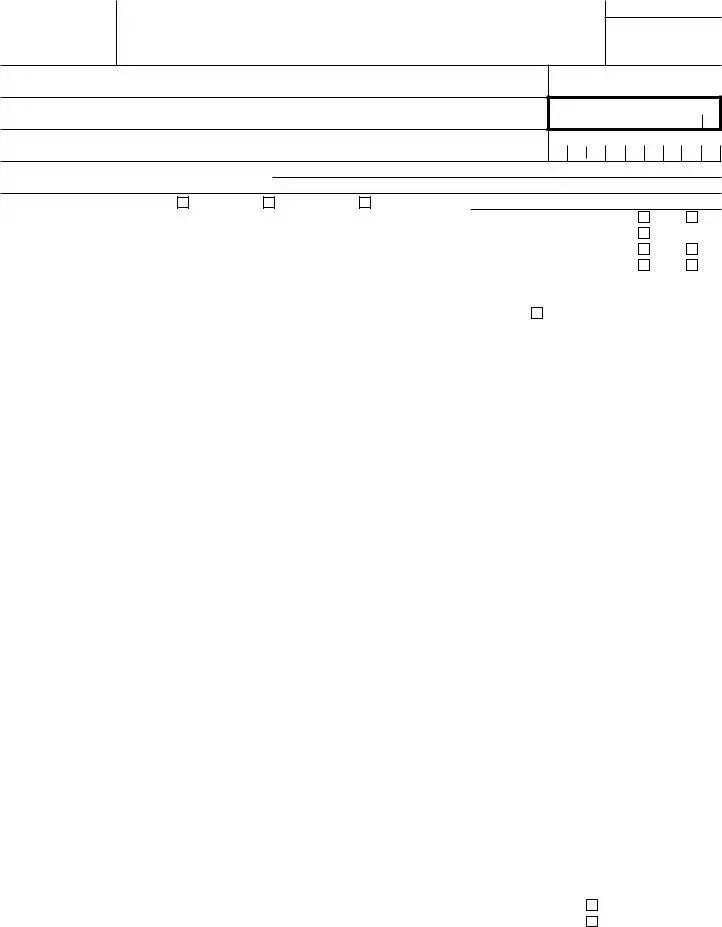
Navigating the complexities of the tax landscape as a sole proprietor or an individual running a business can be a challenging endeavor. One vital document in this journey is the IRS Schedule C 1040 form, designed to detail the profits and losses of a business. This critical piece of the tax filing puzzle allows entrepreneurs to outline their business income, expenses, and potential deductions, ultimately determining the net income that must be reported on their personal tax return. Beyond merely reporting profits and losses, the Schedule C form plays a crucial role in informing tax liabilities, influencing tax saving strategies, and substantiating business-related tax claims and deductions. Its completion requires a meticulous compilation of financial records and an understanding of eligible expenses, showcasing its integral role in the financial health and compliance of small businesses.
SCHEDULE C (Form 1040)
Department of the Treasury Internal Revenue Service (99)
Profit or Loss From Business
(Sole Proprietorship)
▶Go to www.irs.gov/ScheduleC for instructions and the latest information.
▶Attach to Form 1040,
OMB No.
2021
Attachment Sequence No. 09
Name of proprietor
APrincipal business or profession, including product or service (see instructions)
CBusiness name. If no separate business name, leave blank.
Social security number (SSN)
BEnter code from instructions
▶


DEmployer ID number (EIN) (see instr.)
EBusiness address (including suite or room no.) ▶
City, town or post office, state, and ZIP code
F |
Accounting method: |
(1) |
Cash |
(2) |
|
Accrual |
(3) |
Other (specify) ▶ |
|
|
|
|
|
|
|
||||||
G |
Did you “materially participate” in the operation of this business during 2021? If “No,” see instructions for limit on losses |
. |
Yes |
No |
|||||||||||||||||
H |
If you started or acquired this business during 2021, check here |
. . |
. . |
▶ |
|
|
|||||||||||||||
I |
Did you make any payments in 2021 that would require you to file Form(s) 1099? See instructions . . . |
. . |
. . |
. |
Yes |
No |
|||||||||||||||
J |
If “Yes,” did you or will you file required Form(s) 1099? |
. . |
. . |
. |
Yes |
No |
|||||||||||||||
Part I |
Income |
|
|
|
|
|
|
|
|
|
|
|
|
|
|
|
|
|
|
|
|
1 |
Gross receipts or sales. See instructions for line 1 and check the box if this income was reported to you on |
|
|
|
|
|
|||||||||||||||
|
Form |
. . . . . . . . . ▶ |
1 |
|
|
|
|
||||||||||||||
2 |
Returns and allowances |
2 |
|
|
|
|
|||||||||||||||
3 |
Subtract line 2 from line 1 |
3 |
|
|
|
|
|||||||||||||||
4 |
Cost of goods sold (from line 42) |
4 |
|
|
|
|
|||||||||||||||
5 |
Gross profit. Subtract line 4 from line 3 |
5 |
|
|
|
|
|||||||||||||||
6 |
Other income, including federal and state gasoline or fuel tax credit or refund (see instructions) . . . . |
6 |
|
|
|
|
|||||||||||||||
7 |
Gross income. Add lines 5 and 6 |
. . . . . . . . . |
. ▶ |
7 |
|
|
|
|
|||||||||||||
Part II |
Expenses. Enter expenses for business use of your home only on line 30. |
|
|
|
|
|
|
|
|||||||||||||
8 |
Advertising |
8 |
|
|
|
|
|
|
18 |
Office expense (see instructions) . |
18 |
|
|
|
|
||||||
9 |
Car and truck expenses (see |
|
|
|
|
|
|
|
19 |
Pension and |
19 |
|
|
|
|
||||||
|
instructions) . . . . |
9 |
|
|
|
|
|
|
20 |
Rent or lease (see instructions): |
|
|
|
|
|
||||||
10 |
Commissions and fees . |
10 |
|
|
|
|
|
|
a |
Vehicles, machinery, and equipment |
20a |
|
|
|
|
||||||
11 |
Contract labor (see instructions) |
11 |
|
|
|
|
|
|
b |
Other business property . . . |
20b |
|
|
|
|
||||||
12 |
Depletion |
12 |
|
|
|
|
|
|
21 |
Repairs and maintenance . . . |
21 |
|
|
|
|
||||||
13 |
Depreciation and section 179 |
|
|
|
|
|
|
|
22 |
Supplies (not included in Part III) . |
22 |
|
|
|
|
||||||
|
expense deduction |
(not |
|
|
|
|
|
|
|
|
|
|
|
||||||||
|
|
|
|
|
|
|
|
23 |
Taxes and licenses |
23 |
|
|
|
|
|||||||
|
included in Part III) (see |
|
|
|
|
|
|
|
|
|
|
|
|||||||||
|
instructions) . . . . |
13 |
|
|
|
|
|
|
24 |
Travel and meals: |
|
|
|
|
|
|
|
||||
14 |
Employee benefit programs |
|
|
|
|
|
|
|
a |
Travel |
24a |
|
|
|
|
||||||
|
(other than on line 19) |
. |
14 |
|
|
|
|
|
|
b |
Deductible meals (see |
|
|
|
|
|
|
|
|||
15 |
Insurance (other than health) |
15 |
|
|
|
|
|
|
|
instructions) |
24b |
|
|
|
|
||||||
16 |
Interest (see instructions): |
|
|
|
|
|
|
|
25 |
Utilities |
25 |
|
|
|
|
||||||
a |
Mortgage (paid to banks, etc.) |
16a |
|
|
|
|
|
|
26 |
Wages (less employment credits) |
26 |
|
|
|
|
||||||
b |
Other |
16b |
|
|
|
|
|
|
27a |
Other expenses (from line 48) . . |
27a |
|
|
|
|
||||||
17 |
Legal and professional services |
17 |
|
|
|
|
|
|
b |
Reserved for future use . . . |
27b |
|
|
|
|
||||||
28 |
Total expenses before expenses for business use of home. Add lines 8 through 27a |
. ▶ |
28 |
|
|
|
|
||||||||||||||
29 |
Tentative profit or (loss). Subtract line 28 from line 7 |
29 |
|
|
|
|
|||||||||||||||
30 |
Expenses for business use of your home. Do not report these expenses elsewhere. Attach Form 8829 |
|
|
|
|
|
|||||||||||||||
|
unless using the simplified method. See instructions. |
|
|
|
|
|
|
|
|
|
|
|
|
|
|||||||
|
Simplified method filers only: Enter the total square footage of (a) your home: |
|
|
|
|
|
|
|
|||||||||||||
|
|
|
|
|
|
|
|
|
|
|
|
|
|
|
|
||||||
|
and (b) the part of your home used for business: |
|
|
|
|
|
|
|
. Use the Simplified |
|
|
|
|
|
|||||||
|
Method Worksheet in the instructions to figure the amount to enter on line 30 |
30 |
|
|
|
|
|||||||||||||||
31 |
Net profit or (loss). Subtract line 30 from line 29. |
|
|
|
|
|
|
|
} |
|
|
|
|
|
|
||||||
|
• If a profit, enter on both Schedule 1 (Form 1040), line 3, and on Schedule SE, line 2. (If you |
|
|
|
|
|
|
||||||||||||||
|
checked the box on line 1, see instructions). Estates and trusts, enter on Form 1041, line 3. |
|
31 |
|
|
|
|
||||||||||||||
|
• If a loss, you must go to line 32. |
|
|
|
|
|
|
|
|
|
|
|
|
|
|
|
|||||
32 |
If you have a loss, check the box that describes your investment in this activity. See instructions. |
} |
|
|
|
|
|
|
|||||||||||||
|
• If you checked 32a, enter the loss on both Schedule 1 (Form 1040), line 3, and on Schedule |
|
|
|
|
|
|
||||||||||||||
|
SE, line 2. (If you checked the box on line 1, see the line 31 instructions.) Estates and trusts, enter on |
|
32a |
All investment is at risk. |
|||||||||||||||||
|
Form 1041, line 3. |
|
|
|
|
|
|
|
|
|
|
|
|
|
32b |
Some investment is not |
|||||
|
• If you checked 32b, you must attach Form 6198. Your loss may be limited. |
|
|
|
at risk. |
|
|
||||||||||||||
For Paperwork Reduction Act Notice, see the separate instructions. |
|
|
Cat. No. 11334P |
|
|
|
Schedule C (Form 1040) 2021 |
||||||||||||||
Schedule C (Form 1040) 2021 |
Page 2 |
|
Part III |
Cost of Goods Sold (see instructions) |
|
33 |
Method(s) used to |
|
|
|
|
|
|
|
value closing inventory: |
a |
Cost |
b |
Lower of cost or market |
c |
Other (attach explanation) |
34Was there any change in determining quantities, costs, or valuations between opening and closing inventory?
If “Yes,” attach explanation |
Yes |
No
35 |
Inventory at beginning of year. If different from last year’s closing inventory, attach explanation . . . |
35 |
36 |
Purchases less cost of items withdrawn for personal use |
36 |
37 |
Cost of labor. Do not include any amounts paid to yourself |
37 |
38 |
Materials and supplies |
38 |
39 |
Other costs |
39 |
40 |
Add lines 35 through 39 |
40 |
41 |
Inventory at end of year |
41 |
42 |
Cost of goods sold. Subtract line 41 from line 40. Enter the result here and on line 4 |
42 |
Part IV Information on Your Vehicle. Complete this part only if you are claiming car or truck expenses on line 9 and are not required to file Form 4562 for this business. See the instructions for line 13 to find out if you must file Form 4562.
43 |
When did you place your vehicle in service for business purposes? (month/day/year) |
▶ |
/ |
/ |
44Of the total number of miles you drove your vehicle during 2021, enter the number of miles you used your vehicle for:
a |
Business |
b Commuting (see instructions) |
c Other |
45 |
Was your vehicle available for personal use during |
||
46 |
Do you (or your spouse) have another vehicle available for personal use? |
||
47a |
Do you have evidence to support your deduction? |
||
b |
If “Yes,” is the evidence written? |
||
Yes
Yes
Yes
Yes
No
No
No
No
Part V Other Expenses. List below business expenses not included on lines
48 |
Total other expenses. Enter here and on line 27a |
48
Schedule C (Form 1040) 2021
| Fact Number | Detail |
|---|---|
| 1 | The IRS Schedule C 1040 Form is used by sole proprietors to report both income and losses from a business. |
| 2 | This form is essential for anyone who operates a business as a sole proprietorship or a single-member LLC that has elected to be treated as a disregarded entity for tax purposes. |
| 3 | It details the income earned by the business over the tax year and the expenses that can be deducted to reduce taxable income. |
| 4 | Expenses reported on Schedule C can include costs related to advertising, home office use, vehicle expenses, and more. |
| 5 | Filing the Schedule C 1040 Form accurately is critical for ensuring that a business pays the correct amount of taxes and avoids penalties. |
| 6 | No specific state laws govern the Schedule C 1040 as it is a federal form used for U.S. Internal Revenue Service (IRS) tax filings. However, the information may impact state tax filings depending on the state’s tax regulations. |
Filling out the IRS Schedule C (Form 1040) is a crucial step for those who operate a sole proprietorship or single-member LLC and are required to report their business's income, expenses, and overall profit or loss. This document plays a pivotal role in accurately determining the amount of tax owed to the government. It is essential to approach this task with attention to detail, ensuring each piece of information is correct to avoid potential issues with the IRS. The following guidelines have been crafted to provide clarity and simplify the process, making it more approachable for taxpayers.
Following these instructions diligently will make completing the Schedule C less daunting and help ensure that the information provided is accurate and in compliance with IRS requirements. Remember, while this guide serves as a helpful starting point, consulting with a tax professional is advisable for specific questions or complex tax situations to ensure that your filings meet all legal obligations.
The IRS Schedule C 1040 form is utilized by sole proprietors to report income or loss from a business they operated or a profession they practiced as a sole proprietor. Essentially, it’s a way to report the profit or loss from your business activities throughout the tax year. This form details the income earned from the business, as well as all allowable deductions such as expenses for advertising, home office use, mileage, and supplies.
Individuals who operate a business as a sole proprietor or as a single-member LLC (Limited Liability Company) are required to file a Schedule C form. Additionally, if you earned or lost money as an independent contractor, freelancer, or gig worker, you typically need to file this form as part of your annual tax return to report the income or loss derived from these activities.
Schedule C is divided into several key sections:
Filing Schedule C can have several tax implications. The net profit or loss of your business, as calculated on Schedule C, directly affects your personal income tax return by adjusting your taxable income. A net profit increases your taxable income, whereas a net loss can decrease it. Additionally, net profit is subject to self-employment tax, which covers your contribution to Social Security and Medicare. It is crucial to accurately report all income and allowable expenses to ensure proper taxation.
Yes, if you operated multiple businesses as a sole proprietor, you must complete a separate Schedule C for each business. This is important because different businesses may have unique incomes, expenses, and net results, which must be accurately reported to the IRS. Combining the financials of multiple businesses into one Schedule C could lead to errors in reporting and potential issues with the IRS.
When preparing to file Schedule C, it’s essential to keep detailed records of both income and expenses related to your business. These records include, but are not limited to:
Keeping detailed records throughout the year will make the process of filing Schedule C easier and help ensure that you’re capturing all allowable deductions to minimize your taxable income legally.
Schedule C is filed as part of your Form 1040 tax return. Therefore, the deadline to file is typically April 15th of the year following the tax year being reported. If April 15th falls on a weekend or legal holiday, the deadline is moved to the next business day. For those who need more time, it is possible to request an extension, which provides an additional six months to file your tax return, including Schedule C. However, it is important to note that an extension to file does not extend the time to pay any taxes owed. Estimated taxes are still due by the original filing deadline.
One common mistake people make when filling out the IRS Schedule C (Form 1040) is not reporting all their income. This form is used by sole proprietors to report their business income and expenses. Some individuals mistakenly believe they don't need to report certain types of income, such as cash payments or incidental sales. However, the IRS requires that all forms of income, regardless of their source or size, be reported. Failing to do so can lead to audits and penalties.
Another error involves incorrectly classifying expenses. The Schedule C form categorizes expenses into several specific types, such as advertising, travel, and supplies. Sometimes, individuals inaccurately categorize their expenses, which can either lead to the disallowance of deductions or additional taxes and penalties. It’s important to understand what each category encompasses and to accurately place each expense where it truly belongs.
People also forget to deduct home office expenses when they’re eligible. With more individuals working from home, a portion of home-related expenses can often be deducted. However, taxpayers sometimes either overlook this deduction altogether or miscalculate the portion of home expenses that apply. To qualify for the home office deduction, the space must be used regularly and exclusively for business, and there are strict rules on how to calculate this deduction.
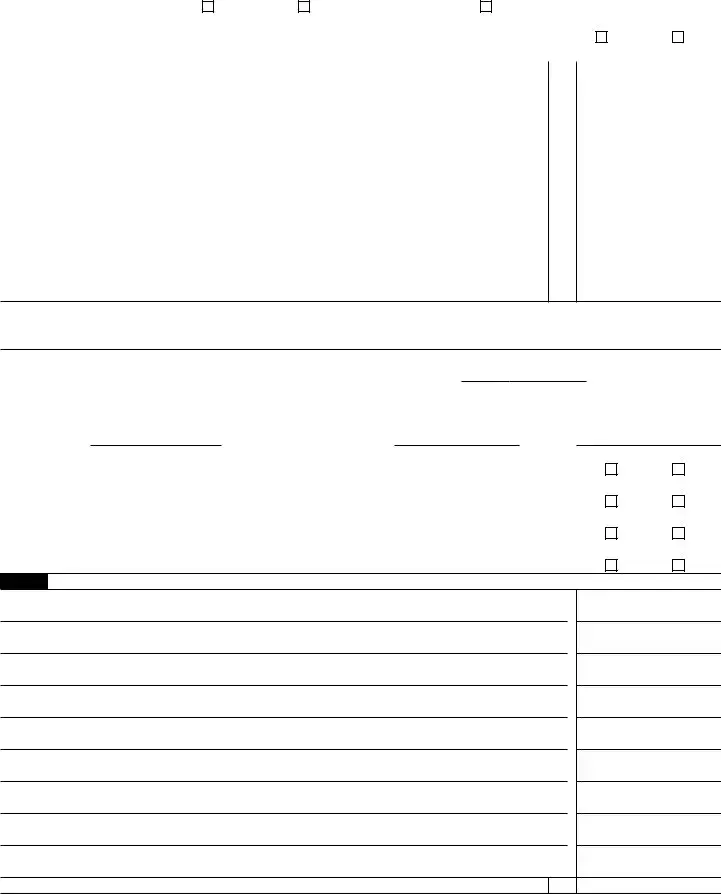
Another significant oversight is failing to properly account for inventory. Businesses that hold inventory have specific IRS rules for reporting the cost of goods sold. This includes keeping accurate records of inventory at the beginning and end of each year. Some business owners make the mistake of not accurately tracking their inventory or misunderstanding how to reflect it in their calculations, impacting their reported business income.
Last but not least, individuals sometimes miss claiming all allowable deductions and credits. This can include everything from business travel and meals to retirement plan contributions. Part of the issue here is a lack of awareness about what deductions and credits are available. Tax laws change frequently, and keeping up-to-date with the latest tax deductions and credits can significantly lower your tax liability.
The IRS Schedule C 1040 form is commonly used by sole proprietors to report their business income and expenses. When filing this form, individuals often need to use additional documents to provide complete and accurate information. These documents can range from records of expenses to forms detailing specific types of deductions. Below is a list of other forms and documents frequently used alongside the IRS Schedule C 1040 form.
Each of these documents plays a vital role in ensuring that the information reported on the Schedule C is accurate and substantiated. Proper documentation can also provide essential support in case of an IRS audit. Individuals should gather these forms and documents early in the tax preparation process to ensure a smooth and efficient filing experience.
The IRS Schedule C 1040 form is closely related to the Schedule SE (Form 1040), which is used for reporting self-employment tax. Both are integral for self-employed individuals, detailing income and expenses pertinent to their business operations. However, the Schedule SE focuses specifically on calculating the Social Security and Medicare tax due based on the net earnings from self-employment, as initially reported on Schedule C. This connection is vital because the income reported on Schedule C directly influences the amount of self-employment tax assessed on Schedule SE.
Another document resembling IRS Schedule C 1040 is the Schedule E (Form 1040), used for reporting income or loss from rental real estate, royalties, partnerships, S corporations, estates, trusts, and residual interests in REMICs. Like Schedule C, Schedule E outlines the income generation activities of an individual, but it is tailored to passive income and specific types of business structures. Both forms help to capture the breadth of an individual's earnings, but Schedule E doesn't cater to the day-to-day operation of a sole proprietorship or single-member LLC as Schedule C does.
The IRS Form 1120S, U.S. Income Tax Return for an S Corporation, shares some functional similarities with Schedule C, as it is used by S corporations to report their income, gains, losses, deductions, credits, etc. Although Schedule C is for individual entrepreneurs, and Form 1120S is for S corporations, both serve the crucial function of reporting the entity's financial activity to the IRS. The key difference lies in the structure of the reporting entity: Schedule C is for sole proprietors, while Form 1120S is for entities that have elected the S corporation status, impacting how taxes are assessed and reported.
The IRS Form 1065, U.S. Return of Partnership Income, is another document similar to the Schedule C, designed for partnerships to report their financial activities. While Schedule C is for individual business owners, Form 1065 caters to partnerships, detailing their income, gains, losses, deductions, etc. Both forms are essential for reporting the operational financial details of the business to the IRS, but they serve different types of business organizations where the income and loss reporting requirements differ based on the entity’s structure.
The Schedule K-1 (Form 1065) document is intricately linked to the IRS Schedule C through its role in reporting a partner's share of a partnership's income, deductions, credits, etc., akin to how an individual reports business income on Schedule C. Although Schedule C is used by individual business owners and Schedule K-1 is for partners in a partnership, both documents are vital for accurately reporting income to the IRS. Partnerships don't pay tax on their income but instead pass through this income to their partners, who then report it on their individual tax returns, potentially including Schedule C if they also have sole proprietor income.
Lastly, IRS Form 1040, the U.S. Individual Income Tax Return, is fundamentally connected to Schedule C as it is the primary form for individuals to file their personal income taxes, into which the income or loss reported on Schedule C is integrated. While Form 1040 provides a comprehensive overview of an individual's income, deductions, and credits, Schedule C offers a detailed account of the profit or loss from business activities as a sole proprietor. This direct relationship ensures that the income from self-employment is accurately reflected in the individual's overall tax situation.
Filling out the IRS Schedule C 1040 form, which pertains to profit or loss from business (sole proprietorship), demands detailed attention to ensure accuracy and compliance. The following guidelines serve as a roadmap for what to do and what to avoid in this process:
Do:Ensure you have accurate records of all your business's income and expenses. Documentation is key for both filling out the form correctly and defending your entries if audited.
Deduct legitimate business expenses. This includes supplies, home office expenses, and mileage related to business activities, among others.
Utilize the IRS's instructions for the Schedule C form. These instructions provide detailed guidance on how to properly fill out each part of the form.
Consider seeking assistance from a tax professional if you're unsure about any part of the form. Tax laws can be complex, and professional guidance can help navigate them.
Mix personal and business expenses. It's vital to keep these separate to avoid issues with the IRS.
Overlook small expenses. Small purchases can add up and significantly impact your profit or loss calculations.
Guess or estimate figures. Provide accurate numbers for all entries. Estimates can lead to audits or penalties.
Ignore deadlines. Filing late can result in penalties and interest charges. Make sure to submit the Schedule C with your 1040 by the tax filing deadline.
The IRS Schedule C 1040 form often intimidates many taxpayers, especially those embarking on self-employment or running a small business for the first time. Several misconceptions surround this crucial document, impacting how individuals report income and expenses from their business operations. Understanding these misconceptions can lead to more accurate tax filings and potentially save money. Below, we'll dispel some common myths regarding the Schedule C form.
Dispelling these misconceptions is vital for anyone required to complete a Schedule C form. Understanding the nuances of this tax document can facilitate more accurate and lawful tax reporting, leading to benefits such as maximizing deductions, avoiding penalties, and ensuring compliance with tax laws.
The IRS Schedule C 1040 form is utilized by sole proprietors to report both income and losses related to their business activities. This document is a fundamental piece for those who manage their own business and are required to showcase their operational financial health. Understanding how to properly fill out and use this form can significantly impact the accuracy of your tax reporting. Here are nine key takeaways to guide you through the process:
Filling out and submitting the IRS Schedule C 1040 form with accuracy is critical for compliance and optimizing your tax outcomes. Utilizing the form correctly helps demonstrate your business's financial movements over the fiscal period, underlining the significance of its role in your tax reporting practices.
Annual Physical Template - Complete the vision screening portion and note if a specialist's evaluation is recommended.
Name the Certifying Body for Your Health Occupation - The form acts as a testament to the applicant's commitment and readiness to contribute to the healthcare needs of veterans and their families.